How do you keep track of which data is going where?
As children move up through the curriculum, the concept of a physical pencil case becomes somewhat redundant because they’re learning in a modern classroom, where their main tools are digital.
But for every pencil made redundant, there is a permanent mark of data etched in its place with the mountain of student data being shared across the internet.
For school leaders and Data Protection Officers (DPOs), this presents a mounting challenge: How do you keep track of which data is going where?
GDPR compliance isn’t just about having a privacy policy; it’s about having control and transparency. So, with this in mind, what’s the safest choice for organisations up and down the country?
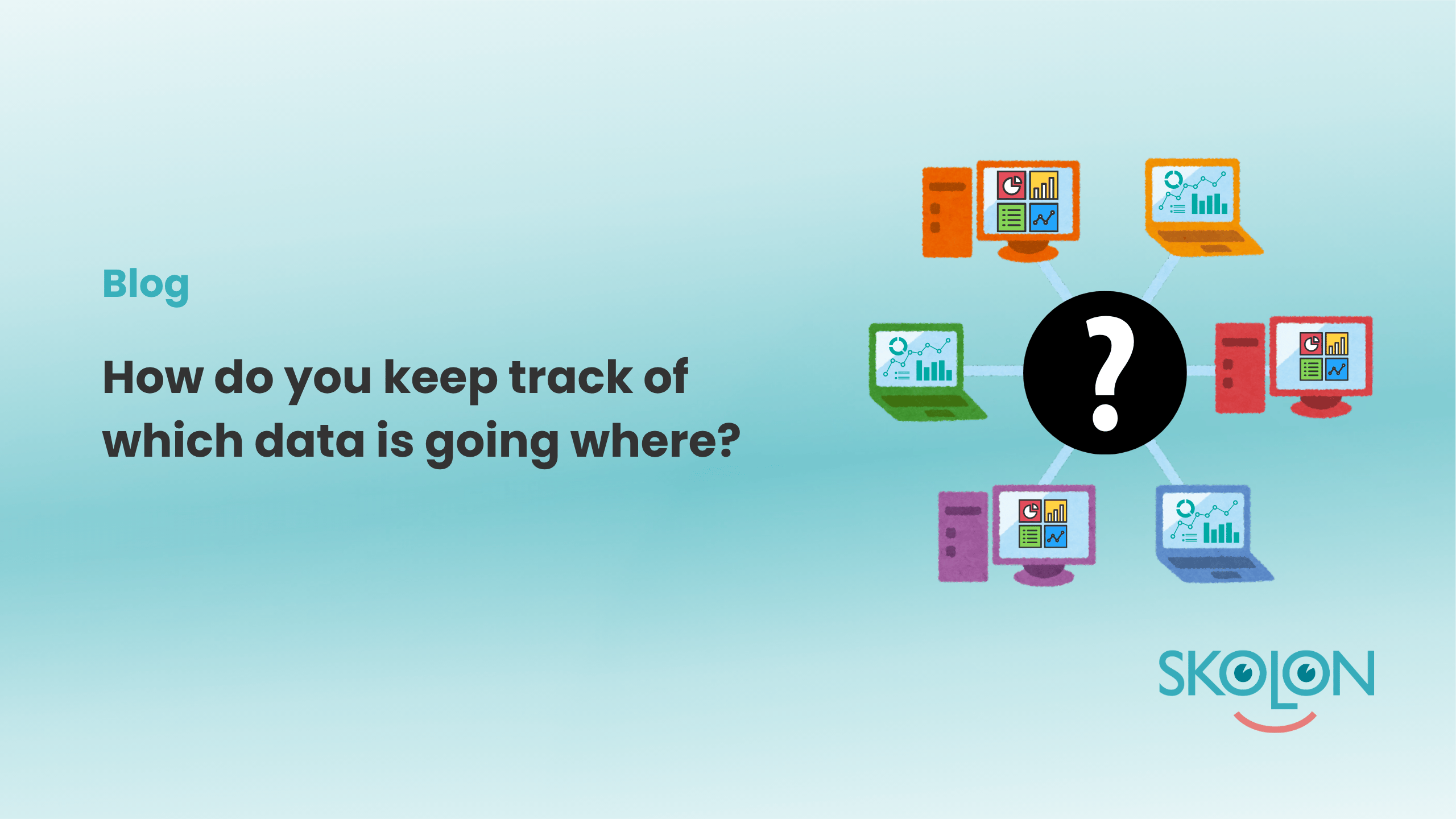
The Problem: The data spaghetti effect
According to the 2025 Cyber Security Breaches Survey, 71% of secondary schools and 44% of primary schools identified a cyber breach or attack in the last year. Often, these breaches don’t start within the school’s own network, but through the “Data Spaghetti” effect. This refers to the uncontrolled syncing of student data across dozens of different EdTech suppliers.
Explaining this concept further, every time a school adopts a new digital tool, they essentially adopt a new data silo too. With this, student names, email addresses, and year groups are manually uploaded or synced via various methods which has various consequences including:
- Losing sight of what data each supplier has.
- Manually ensuring a pupil data is deleted from all of the various platforms once that student leaves the organisation
- Proving data protection by design becomes nearly impossible when your data is scattered like spaghetti.
…Proving data protection by design becomes nearly impossible when your data is scattered like spaghetti.

The Risk: When visibility disappears, risk increases
When data flows become fragmented, so does accountability. Focusing fragmentation specifically, schools and trusts are no longer just managing systems; they’re managing dozens of separate data relationships, each with its own risks, policies, and processes.
Without a clear, centralised view, common issues begin to surface:
- Over-provisioning of access: Students and staff retain access to tools they no longer use.
- Inconsistent data handling: Different suppliers store and process data in different ways, often without full visibility from the school.
- Delayed response to incidents: When a breach occurs, identifying the source and scope takes longer.
- Audit complexity: Demonstrating compliance to regulators becomes time-consuming and stressful.
For DPOs and IT leaders, this creates a constant headache and balancing act between enabling digital learning and maintaining control over sensitive data.
The expectation: Control, clarity, and confidence
Modern schools and MATs need more than policies – they need practical control. GDPR and UK data protection standards expect organisations to know:
- What data is being shared
- Who it is being shared with
- Why it is being shared
- When it is deleted
Achieving this manually across multiple platforms is not only inefficient… it’s unsustainable.
So, what schools and trusts need is a way to simplify this complexity without limiting access to the digital tools that enhance learning.
The shift: From scattered systems to structured ecosystems
From conversations that took place at the nEdEx conference in February, forward-thinking leaders that attended are prioritising moving away from disconnected EdTech stacks and towards structured digital ecosystems where access, data, and suppliers are managed in one place to mitigate the risks.
This approach brings immediate benefits:
- Centralised visibility of all applications and data flows
- Automated provisioning and de-provisioning, reducing human error
- Improved security posture through controlled access
- Simplified compliance reporting
Instead of chasing data across multiple systems, schools regain oversight and confidence in how information is handled.
The Solution: Seeking a safe choice
This is where Skolon comes in.
Rather than adding to the “data spaghetti,” Skolon acts as a central hub for managing digital learning tools safely and efficiently. It enables schools and trusts to:
- Access all approved EdTech tools through a single platform
- Control data sharing from one central point
- Automate account creation and removal, ensuring data is only held where necessary
- Maintain a clear overview of which suppliers have access to what data
- Support GDPR compliance through built-in data protection by design
By consolidating systems into a structured ecosystem, Skolon removes the guesswork. Schools and trusts no longer have to wonder where data is going, because they can see it, manage it, and control it with confidence and ease.
Managing responsibly
As digital learning continues to expand, the question is no longer whether schools use multiple tools, it’s how they manage them responsibly.
The “data spaghetti” problem isn’t just an inconvenience; it’s a real risk to compliance, security, and trust. Schools and trusts need solutions that provide clarity, not complexity.
With Skolon, organisations gain more than just access to digital tools – they gain control, transparency, and peace of mind.
And when it comes to safeguarding student data, that makes all the difference.
Want to learn more about how we can help you keep your data safe and secure? Use the button below to chat with us today.
Information
Share this story
Subscribe
Would you like our newest articles delivered to your inbox? Sign up now!
As children move up through the curriculum, the concept of a physical pencil case becomes somewhat redundant because they’re learning in a modern classroom, where their main tools are digital.
But for every pencil made redundant, there is a permanent mark of data etched in its place with the mountain of student data being shared across the internet.
For school leaders and Data Protection Officers (DPOs), this presents a mounting challenge: How do you keep track of which data is going where?
GDPR compliance isn’t just about having a privacy policy; it’s about having control and transparency. So, with this in mind, what’s the safest choice for organisations up and down the country?
The Problem: The data spaghetti effect
According to the 2025 Cyber Security Breaches Survey, 71% of secondary schools and 44% of primary schools identified a cyber breach or attack in the last year. Often, these breaches don’t start within the school’s own network, but through the “Data Spaghetti” effect. This refers to the uncontrolled syncing of student data across dozens of different EdTech suppliers.
Explaining this concept further, every time a school adopts a new digital tool, they essentially adopt a new data silo too. With this, student names, email addresses, and year groups are manually uploaded or synced via various methods which has various consequences including:
- Losing sight of what data each supplier has.
- Manually ensuring a pupil data is deleted from all of the various platforms once that student leaves the organisation
- Proving data protection by design becomes nearly impossible when your data is scattered like spaghetti.
…Proving data protection by design becomes nearly impossible when your data is scattered like spaghetti.
The Risk: When visibility disappears, risk increases
When data flows become fragmented, so does accountability. Focusing fragmentation specifically, schools and trusts are no longer just managing systems; they’re managing dozens of separate data relationships, each with its own risks, policies, and processes.
Without a clear, centralised view, common issues begin to surface:
- Over-provisioning of access: Students and staff retain access to tools they no longer use.
- Inconsistent data handling: Different suppliers store and process data in different ways, often without full visibility from the school.
- Delayed response to incidents: When a breach occurs, identifying the source and scope takes longer.
- Audit complexity: Demonstrating compliance to regulators becomes time-consuming and stressful.
For DPOs and IT leaders, this creates a constant headache and balancing act between enabling digital learning and maintaining control over sensitive data.
The expectation: Control, clarity, and confidence
Modern schools and MATs need more than policies – they need practical control. GDPR and UK data protection standards expect organisations to know:
- What data is being shared
- Who it is being shared with
- Why it is being shared
- When it is deleted
Achieving this manually across multiple platforms is not only inefficient… it’s unsustainable.
So, what schools and trusts need is a way to simplify this complexity without limiting access to the digital tools that enhance learning.
The shift: From scattered systems to structured ecosystems
From conversations that took place at the nEdEx conference in February, forward-thinking leaders that attended are prioritising moving away from disconnected EdTech stacks and towards structured digital ecosystems where access, data, and suppliers are managed in one place to mitigate the risks.
This approach brings immediate benefits:
- Centralised visibility of all applications and data flows
- Automated provisioning and de-provisioning, reducing human error
- Improved security posture through controlled access
- Simplified compliance reporting
Instead of chasing data across multiple systems, schools regain oversight and confidence in how information is handled.
The Solution: Seeking a safe choice
This is where Skolon comes in.
Rather than adding to the “data spaghetti,” Skolon acts as a central hub for managing digital learning tools safely and efficiently. It enables schools and trusts to:
- Access all approved EdTech tools through a single platform
- Control data sharing from one central point
- Automate account creation and removal, ensuring data is only held where necessary
- Maintain a clear overview of which suppliers have access to what data
- Support GDPR compliance through built-in data protection by design
By consolidating systems into a structured ecosystem, Skolon removes the guesswork. Schools and trusts no longer have to wonder where data is going, because they can see it, manage it, and control it with confidence and ease.
Managing responsibly
As digital learning continues to expand, the question is no longer whether schools use multiple tools, it’s how they manage them responsibly.
The “data spaghetti” problem isn’t just an inconvenience; it’s a real risk to compliance, security, and trust. Schools and trusts need solutions that provide clarity, not complexity.
With Skolon, organisations gain more than just access to digital tools – they gain control, transparency, and peace of mind.
And when it comes to safeguarding student data, that makes all the difference.
Want to learn more about how we can help you keep your data safe and secure? Use the button below to chat with us today.
Share this story
Subscribe
Would you like our newest articles delivered to your inbox? Sign up now!