Is your digital strategy fit for 2026?

Author: Amber Lovell
If you asked a school leader to describe their digital strategy ten years ago, the conversation would probably centre around devices, infrastructure and connectivity.
But as we all know, a lot can change in ten years and whilst those foundations are largely in place, there are some key components that many are missing.
With schools and multi-academy trusts now having access to an incredible range of digital tools designed to support teaching, improve outcomes and reduce workload, many leaders are asking the same question:
“Why aren’t we seeing the impact we expected?”
The answer often isn’t the technology itself.
It’s the strategy behind it.
A digital strategy is more than a shopping list
For many schools, digital transformation has happened gradually, and for some trusts, it became an accidental pick ‘n’ mix.
A new assessment platform was introduced here, a literacy tool there. Perhaps a safeguarding system, SEND platform, classroom app or wellbeing solution followed.
Sure, at the time each purchase made sense as it was solving an individual challenge but over several years, those decisions accidentally created something far more complicated than intended.
Instead of one joined-up, cohesive digital ecosystem, schools and trusts have now ended up managing dozens of disconnected platforms, multiple logins and subsequently have little visibility over whether any of it is delivering value.
(spoiler alert, if there’s little visibility, the outcome will not be what you want to hear…)
Owning more technology doesn’t automatically make a school or trust more digitally mature.
In fact, complexity and too much tech often becomes the biggest barrier to success.
What are the questions digitally mature schools and MATs ask?
The most successful schools and trusts aren’t asking, “What else should we buy?”
They’re asking much better questions.
“Are teachers actually using the tools we’ve invested in?”
Licences sitting unused represent more than wasted budget. They often indicate barriers such as difficult logins, poor discoverability or insufficient training. Leaders with the best digital strategies want to see usage – they want to see what tools aren’t being used, they want to try to understand why and often, it’s as simple as the teacher not knowing they had access to a specific tool.
“Can every pupil access learning quickly and independently?”
If pupils regularly need help finding resources or remembering passwords, valuable learning time disappears before lessons have even begun. We spoke with Dylan Critchley, a teacher at Culgaith C of E Primary School credits Skolon for enabling his pupils to have “the confidence to take responsibility for their own learning”.
“Can leaders see what’s working?”
Without visibility into adoption and usage, it’s difficult to know which investments are making a genuine difference and which could be consolidated or replaced.
“Does every platform support our wider educational goals?”
Technology should strengthen priorities such as improving outcomes, reducing workload, supporting inclusion and maintaining security. If a platform doesn’t contribute towards those objectives, it’s worth asking why it’s there.
Simplicity drives adoption
We’ve all heard the phrase ‘less is more’, and it’s true.
One of the biggest misconceptions in EdTech is that more functionality equals more value, whereas in reality, teachers actually value simplicity.
They want quick access to the resources they need; they don’t want to remember dozens of passwords or waste valuable lesson time navigating different platforms and unsurprisingly, pupils are no different.
Every additional login, forgotten password or confusing interface creates friction that interrupts learning.
However, when access is simple, secure and consistent, digital tools become part of everyday teaching rather than another obstacle to overcome. That’s when schools and trusts begin seeing greater adoption, stronger engagement and a better return on their investment.
Where does Skolon fit into your digital strategy?
At Skolon, we believe technology should feel effortless.
Rather than asking teachers and pupils to navigate multiple systems independently, Skolon brings approved digital learning resources together in one secure, personalised platform.
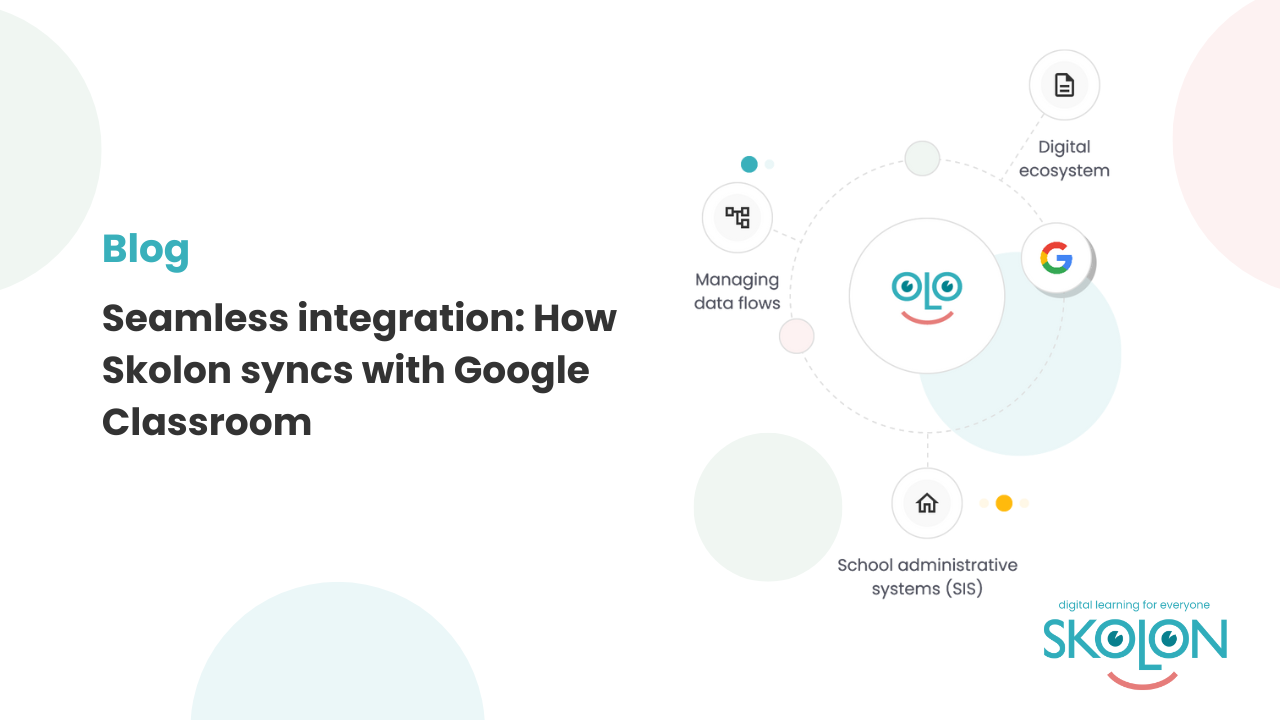
With Single Sign-On, automated user management and seamless integration with your existing identity provider and MIS, schools can simplify access while giving leaders greater visibility over their digital ecosystem.
The result is a digital strategy built around people, not platforms.
Because in 2026, digital maturity won’t be defined by how much technology your school owns. It will be defined by how effectively that technology helps every teacher teach and every learner succeed.
This is Skolon – we gather the best digital educational tools and make them work in the classroom.
Skolon is an independent platform for digital educational tools and learning resources, created for both teachers and students. With Skolon, accessing and using your digital educational tools is easy – security increases, administration decreases, and there’s more time for learning.
The digital educational tools come from both small and large providers, all of whom have one thing in common – they create digital educational tools that are beneficial for the school environment.
Information
Author: Amber Lovell
Share this story
Subscribe
Would you like our newest articles delivered to your inbox? Sign up now!
If you asked a school leader to describe their digital strategy ten years ago, the conversation would probably centre around devices, infrastructure and connectivity.
But as we all know, a lot can change in ten years and whilst those foundations are largely in place, there are some key components that many are missing.
With schools and multi-academy trusts now having access to an incredible range of digital tools designed to support teaching, improve outcomes and reduce workload, many leaders are asking the same question:
“Why aren’t we seeing the impact we expected?”
The answer often isn’t the technology itself.
It’s the strategy behind it.
A digital strategy is more than a shopping list
For many schools, digital transformation has happened gradually, and for some trusts, it became an accidental pick ‘n’ mix.
A new assessment platform was introduced here, a literacy tool there. Perhaps a safeguarding system, SEND platform, classroom app or wellbeing solution followed.
Sure, at the time each purchase made sense as it was solving an individual challenge but over several years, those decisions accidentally created something far more complicated than intended.
Instead of one joined-up, cohesive digital ecosystem, schools and trusts have now ended up managing dozens of disconnected platforms, multiple logins and subsequently have little visibility over whether any of it is delivering value.
(spoiler alert, if there’s little visibility, the outcome will not be what you want to hear…)
Owning more technology doesn’t automatically make a school or trust more digitally mature.
In fact, complexity and too much tech often becomes the biggest barrier to success.
What are the questions digitally mature schools and MATs ask?
The most successful schools and trusts aren’t asking, “What else should we buy?”
They’re asking much better questions.
“Are teachers actually using the tools we’ve invested in?”
Licences sitting unused represent more than wasted budget. They often indicate barriers such as difficult logins, poor discoverability or insufficient training. Leaders with the best digital strategies want to see usage – they want to see what tools aren’t being used, they want to try to understand why and often, it’s as simple as the teacher not knowing they had access to a specific tool.
“Can every pupil access learning quickly and independently?”
If pupils regularly need help finding resources or remembering passwords, valuable learning time disappears before lessons have even begun. We spoke with Dylan Critchley, a teacher at Culgaith C of E Primary School credits Skolon for enabling his pupils to have “the confidence to take responsibility for their own learning”.
“Can leaders see what’s working?”
Without visibility into adoption and usage, it’s difficult to know which investments are making a genuine difference and which could be consolidated or replaced.
“Does every platform support our wider educational goals?”
Technology should strengthen priorities such as improving outcomes, reducing workload, supporting inclusion and maintaining security. If a platform doesn’t contribute towards those objectives, it’s worth asking why it’s there.
Simplicity drives adoption
We’ve all heard the phrase ‘less is more’, and it’s true.
One of the biggest misconceptions in EdTech is that more functionality equals more value, whereas in reality, teachers actually value simplicity.
They want quick access to the resources they need; they don’t want to remember dozens of passwords or waste valuable lesson time navigating different platforms and unsurprisingly, pupils are no different.
Every additional login, forgotten password or confusing interface creates friction that interrupts learning.
However, when access is simple, secure and consistent, digital tools become part of everyday teaching rather than another obstacle to overcome. That’s when schools and trusts begin seeing greater adoption, stronger engagement and a better return on their investment.
Where does Skolon fit into your digital strategy?
At Skolon, we believe technology should feel effortless.
Rather than asking teachers and pupils to navigate multiple systems independently, Skolon brings approved digital learning resources together in one secure, personalised platform.
With Single Sign-On, automated user management and seamless integration with your existing identity provider and MIS, schools can simplify access while giving leaders greater visibility over their digital ecosystem.
The result is a digital strategy built around people, not platforms.
Because in 2026, digital maturity won’t be defined by how much technology your school owns. It will be defined by how effectively that technology helps every teacher teach and every learner succeed.
This is Skolon – we gather the best digital educational tools and make them work in the classroom.
Skolon is an independent platform for digital educational tools and learning resources, created for both teachers and students. With Skolon, accessing and using your digital educational tools is easy – security increases, administration decreases, and there’s more time for learning.
The digital educational tools come from both small and large providers, all of whom have one thing in common – they create digital educational tools that are beneficial for the school environment.
Share this story
Subscribe
Would you like our newest articles delivered to your inbox? Sign up now!