Skolon EdVenture – a school trip like no other
Author: Amber Lovell
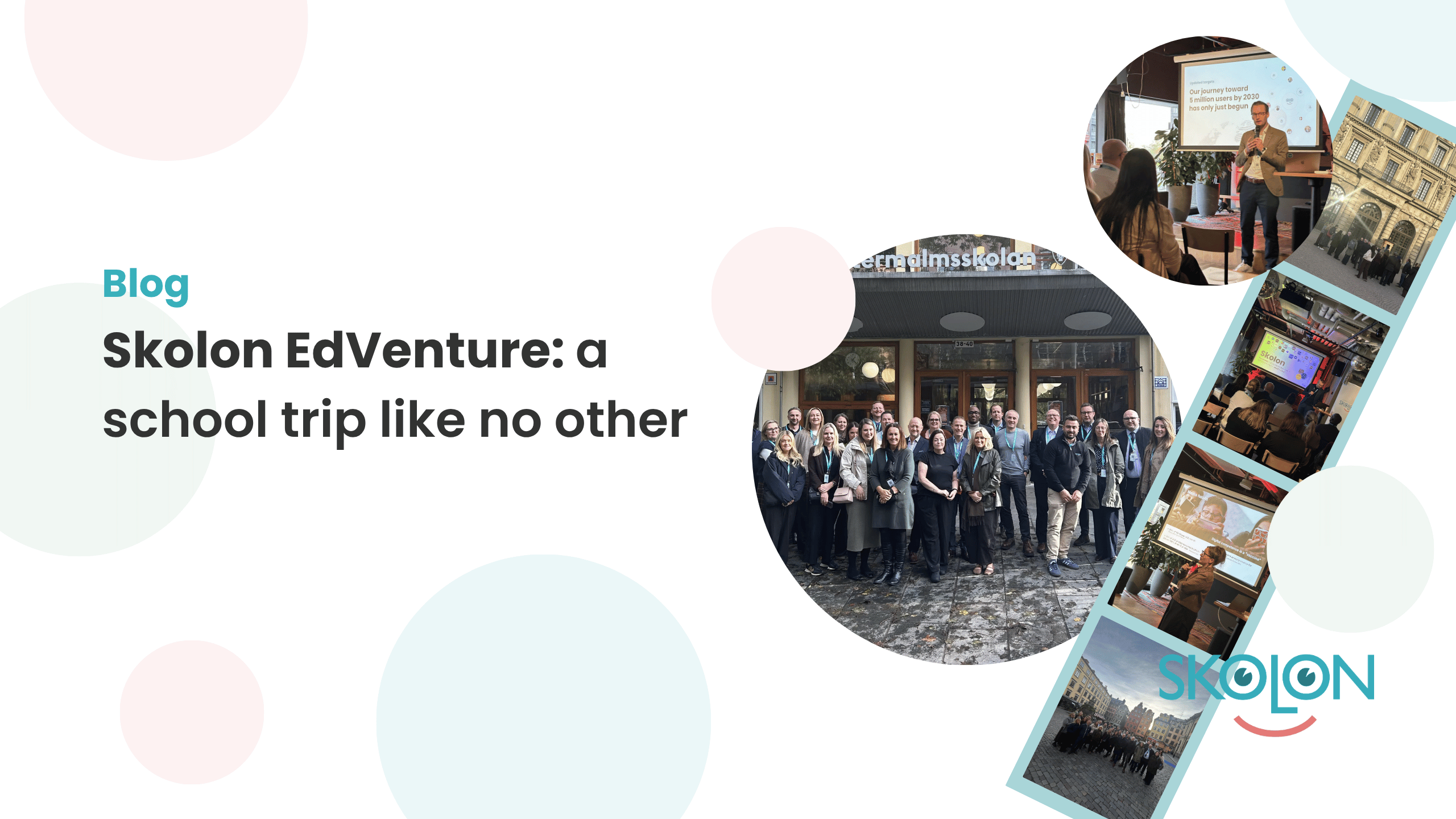
We do things a little differently at Skolon, for all the right reasons, and one of those things we’ve done was take a group of school senior leadership on a school trip like no other.
Based on the success of this first trip, we’re hoping the Skolon EdVenture will continue for many years to come! It served as an excellent opportunity to bring together UK education leaders and industry representatives for a truly immersive three-day study tour in Stockholm to explore digital innovation, municipal governance, and classroom technology in action.
With activities ranging from visiting classrooms to engaging with Swedish education technology leaders; the delegation gained valuable insights into how Sweden balances rapid technological adoption with foundational pedagogy.
Highlights from the Skolon Sweden Edventure
Autonomy and coexistence: Debunking the “digital u-turn” narrative
In recent years, there’s been a lot of speculation on the topic of Sweden making a ‘u-turn’ away from digital devices in Swedish schools. A notable example being the banning of mobile phones, however, as noted by Jannie Jeppessen, before this “85% of schools had already banned the phones in the classroom.”
During the trip it became clear that actually, physical books and digital tools have always coexisted in Sweden’s educational framework. The presentations during the trip from Swedish educators highlighted that while political debates shift, Swedish teachers retain ultimate pedagogical autonomy to select the best tools for their pupils.
As Joachim Thornström, Operations Developer at the Department of Education, states that regardless of the political climate, the administration in education is committed to delivering the best education possible,
“we don’t need political extremes, we need stability, long-term thinking and a clear direction. We must give teachers the confidence to use new tools wisely with pedagogy as our constant guide.”
Discussions had during the EdVenture further reinforced three essential foundations for sustainable education:
- Building students’ basic and social skills.
- Upholding teacher professional responsibility.
- Maintaining constructive interaction with state and municipal systems.
During the visit to Björkeby School, in Järfälla Municipality, a secondary school serving approximately 500 pupils aged 13 to 16, our guests had the opportunity to see their mixed media philosophy in action.
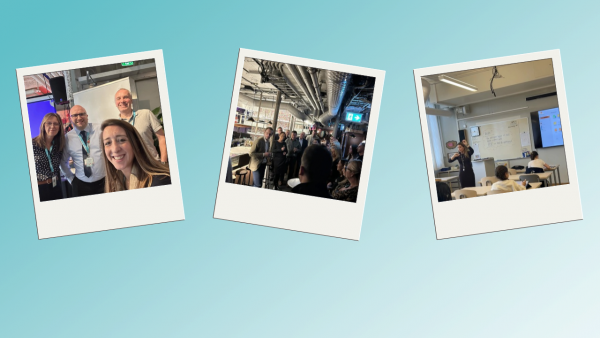
While municipal funding provides every pupil with a Chromebook, digital tech remains purely optional in the classroom.
Teachers and pupils can seamlessly combine Google Classrooms and smart screens with traditional pen and paper, choosing whichever medium best suits both the learner, and learning task.
As noted by Kate Manning, Head Teacher of Edgewood Academy, during the trip, it became apparent that in the Swedish classroom, “education isn’t about technology versus traditional learning.”
It’s about balance, choice and opportunity. Inclusion isn’t everyone learning in exactly the same way. It’s about having the same goals, the same learning objectives and the same high expectations, but giving learners different opportunities to access, experience, present and celebrate their learning.
AI diagnostics and differentiated learning
Survey data reveals that 50% of 10-to-12-year-olds use artificial intelligence and nearly 100% of 10-year-olds own a mobile phone. This leads to the natural conclusion that it is imperative to give students the information and knowledge to use the technology safely both at home and in school.
Christian Turton, from Chiltern Learning Trust shared data to demonstrate that in the classroom, the use of devices can bring about positive outcomes, with 1-5 hours showing optimal learning. However, anything after that is associated with poorer outcomes. Notably, zero digital use correlates with lower scores due to resource shortages.
The visit to Östermalm School, in Stockholm Municipality, demonstrated how they embed technology effectively for positive outcomes:
AI-powered reading diagnostics: Schools demonstrated Lexplore, an AI tool that uses 15-minute eye-tracking sessions twice a year to precisely analyse reading mechanics and automatically match pupils with appropriate reading levels.
Differentiated mathematics: Classroom observations highlighted Magma Math, a tool enabling pupils to complete digital math work while discreetly signaling the teacher when assistance is needed.
Creative upskilling: Whole-school models were presented to show pupils collaborating on iPads to construct digital city models while retaining the choice to use physical sketchpads.
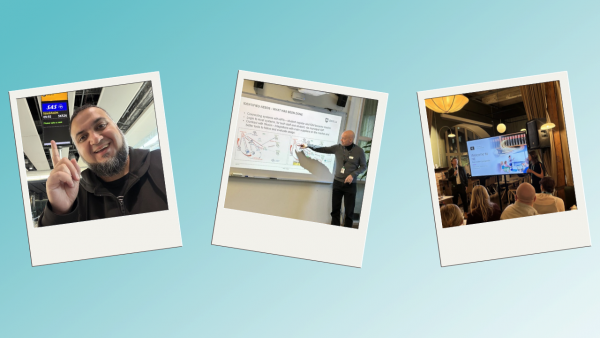
But the whole school design goes beyond technology to also ensure the human element of learning is acknowledged. Some examples noted by delegates were pupils exploring with a VR set, pupils walking bare foot, chairs accommodating different “sitting” styles. The classrooms were minimalist with little art on the walls, to support more focus time and reduce cognitive overload. Even the playground was open. The inherent view was; this is a safe space and the pupils grow autonomously, feeling supported during their education.
As Jo Stone from Discovery School Trust noted, “What really struck me was the confidence and independence of the pupils, alongside the clear and purposeful way technology supported learning… (there was) emphasis on competencies, not just academic outcomes (with a ) focus on developing critical thinking, collaboration, communication, creativity, character and citizenship.
Summary takeaways for school leaders
The Edventure concluded with reflections on the importance of taking calculated risks in teaching, adapting teacher roles to modern needs, and preparing young people for future careers that do not yet exist.
By combining robust digital infrastructure with strong foundational learning, Sweden demonstrates that edtech is most powerful when it amplifies teacher capability rather than dictating instruction.
This is Skolon – we gather the best digital educational tools and make them work in the classroom.
Skolon is an independent platform for digital educational tools and learning resources, created for both teachers and students. With Skolon, accessing and using your digital educational tools is easy – security increases, administration decreases, and there’s more time for learning.
The digital educational tools come from both small and large providers, all of whom have one thing in common – they create digital educational tools that are beneficial for the school environment.
Information
Author: Amber Lovell
Share this story
Subscribe
Would you like our newest articles delivered to your inbox? Sign up now!
We do things a little differently at Skolon, for all the right reasons, and one of those things we’ve done was take a group of school senior leadership on a school trip like no other.
Based on the success of this first trip, we’re hoping the Skolon EdVenture will continue for many years to come! It served as an excellent opportunity to bring together UK education leaders and industry representatives for a truly immersive three-day study tour in Stockholm to explore digital innovation, municipal governance, and classroom technology in action.
With activities ranging from visiting classrooms to engaging with Swedish education technology leaders; the delegation gained valuable insights into how Sweden balances rapid technological adoption with foundational pedagogy.
Highlights from the Skolon Sweden Edventure
Autonomy and coexistence: Debunking the “digital u-turn” narrative
In recent years, there’s been a lot of speculation on the topic of Sweden making a ‘u-turn’ away from digital devices in Swedish schools. A notable example being the banning of mobile phones, however, as noted by Jannie Jeppessen, before this “85% of schools had already banned the phones in the classroom.”
During the trip it became clear that actually, physical books and digital tools have always coexisted in Sweden’s educational framework. The presentations during the trip from Swedish educators highlighted that while political debates shift, Swedish teachers retain ultimate pedagogical autonomy to select the best tools for their pupils.
As Joachim Thornström, Operations Developer at the Department of Education, states that regardless of the political climate, the administration in education is committed to delivering the best education possible,
“we don’t need political extremes, we need stability, long-term thinking and a clear direction. We must give teachers the confidence to use new tools wisely with pedagogy as our constant guide.”
Discussions had during the EdVenture further reinforced three essential foundations for sustainable education:
- Building students’ basic and social skills.
- Upholding teacher professional responsibility.
- Maintaining constructive interaction with state and municipal systems.
During the visit to Björkeby School, in Järfälla Municipality, a secondary school serving approximately 500 pupils aged 13 to 16, our guests had the opportunity to see their mixed media philosophy in action.
While municipal funding provides every pupil with a Chromebook, digital tech remains purely optional in the classroom.
Teachers and pupils can seamlessly combine Google Classrooms and smart screens with traditional pen and paper, choosing whichever medium best suits both the learner, and learning task.
As noted by Kate Manning, Head Teacher of Edgewood Academy, during the trip, it became apparent that in the Swedish classroom, “education isn’t about technology versus traditional learning.”
It’s about balance, choice and opportunity. Inclusion isn’t everyone learning in exactly the same way. It’s about having the same goals, the same learning objectives and the same high expectations, but giving learners different opportunities to access, experience, present and celebrate their learning.
AI diagnostics and differentiated learning
Survey data reveals that 50% of 10-to-12-year-olds use artificial intelligence and nearly 100% of 10-year-olds own a mobile phone. This leads to the natural conclusion that it is imperative to give students the information and knowledge to use the technology safely both at home and in school.
Christian Turton, from Chiltern Learning Trust shared data to demonstrate that in the classroom, the use of devices can bring about positive outcomes, with 1-5 hours showing optimal learning. However, anything after that is associated with poorer outcomes. Notably, zero digital use correlates with lower scores due to resource shortages.
The visit to Östermalm School, in Stockholm Municipality, demonstrated how they embed technology effectively for positive outcomes:
AI-powered reading diagnostics: Schools demonstrated Lexplore, an AI tool that uses 15-minute eye-tracking sessions twice a year to precisely analyse reading mechanics and automatically match pupils with appropriate reading levels.
Differentiated mathematics: Classroom observations highlighted Magma Math, a tool enabling pupils to complete digital math work while discreetly signaling the teacher when assistance is needed.
Creative upskilling: Whole-school models were presented to show pupils collaborating on iPads to construct digital city models while retaining the choice to use physical sketchpads.
But the whole school design goes beyond technology to also ensure the human element of learning is acknowledged. Some examples noted by delegates were pupils exploring with a VR set, pupils walking bare foot, chairs accommodating different “sitting” styles. The classrooms were minimalist with little art on the walls, to support more focus time and reduce cognitive overload. Even the playground was open. The inherent view was; this is a safe space and the pupils grow autonomously, feeling supported during their education.
As Jo Stone from Discovery School Trust noted, “What really struck me was the confidence and independence of the pupils, alongside the clear and purposeful way technology supported learning… (there was) emphasis on competencies, not just academic outcomes (with a ) focus on developing critical thinking, collaboration, communication, creativity, character and citizenship.
Summary takeaways for school leaders
The Edventure concluded with reflections on the importance of taking calculated risks in teaching, adapting teacher roles to modern needs, and preparing young people for future careers that do not yet exist.
By combining robust digital infrastructure with strong foundational learning, Sweden demonstrates that edtech is most powerful when it amplifies teacher capability rather than dictating instruction.
This is Skolon – we gather the best digital educational tools and make them work in the classroom.
Skolon is an independent platform for digital educational tools and learning resources, created for both teachers and students. With Skolon, accessing and using your digital educational tools is easy – security increases, administration decreases, and there’s more time for learning.
The digital educational tools come from both small and large providers, all of whom have one thing in common – they create digital educational tools that are beneficial for the school environment.
Share this story
Subscribe
Would you like our newest articles delivered to your inbox? Sign up now!